Nutrition Planning for Busy Schedules
Learn practical approaches to organize your daily meals with limited time. Educational guidance for time-efficient eating habits.
Request a Consultation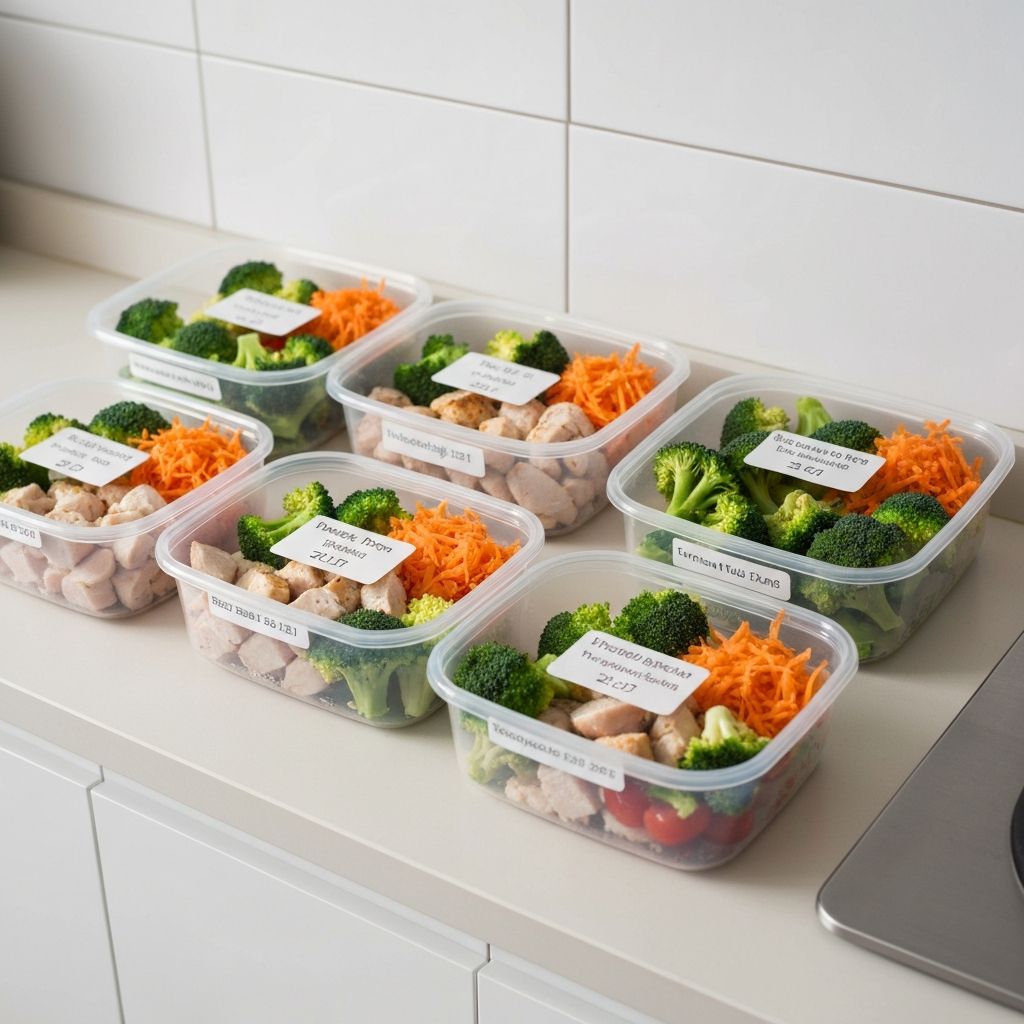
Learn practical approaches to organize your daily meals with limited time. Educational guidance for time-efficient eating habits.
Request a Consultation
In today's fast-paced world, many people struggle to maintain consistent eating patterns. Understanding how to organize nutrition efficiently can support your daily routines and lifestyle choices.
Learn strategies to reduce time spent on meal decisions and preparation while maintaining balanced food choices.
Discover straightforward methods for organizing weekly meals that fit your schedule and preferences.
Get educational information about balanced eating patterns suitable for busy lifestyles.

Our educational approach helps you understand practical solutions to these everyday situations.
These fundamental concepts can help you develop a more organized approach to daily nutrition.
Preparing multiple portions at once can reduce daily cooking time and ensure consistent meal availability.
Using simple meal structures allows for variety while maintaining ease of preparation and planning.
Planning grocery lists around your schedule helps minimize store visits and food waste.
Having meals that travel well supports consistent eating patterns during commutes and work hours.
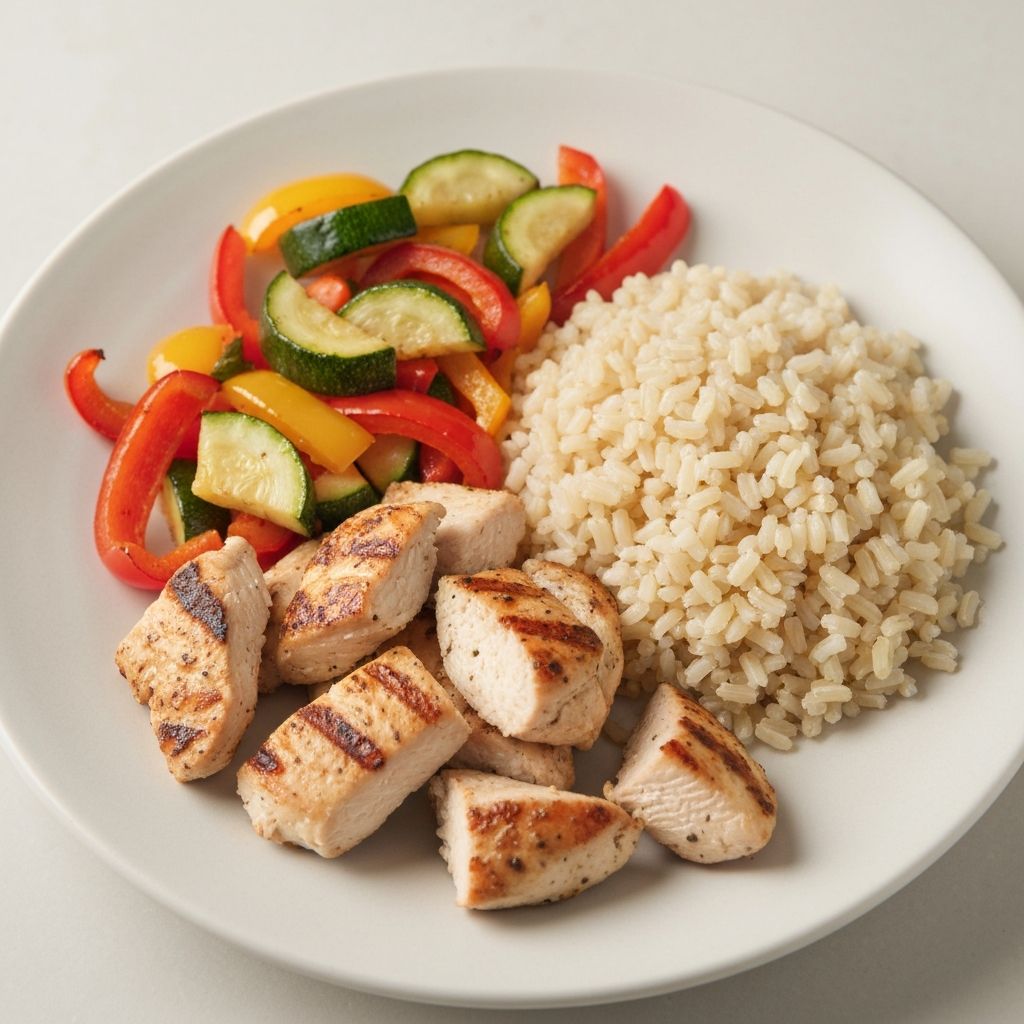
Understanding basic nutrition principles can guide your daily food selection:
These categories provide a foundation for creating varied, balanced meals without complex planning.
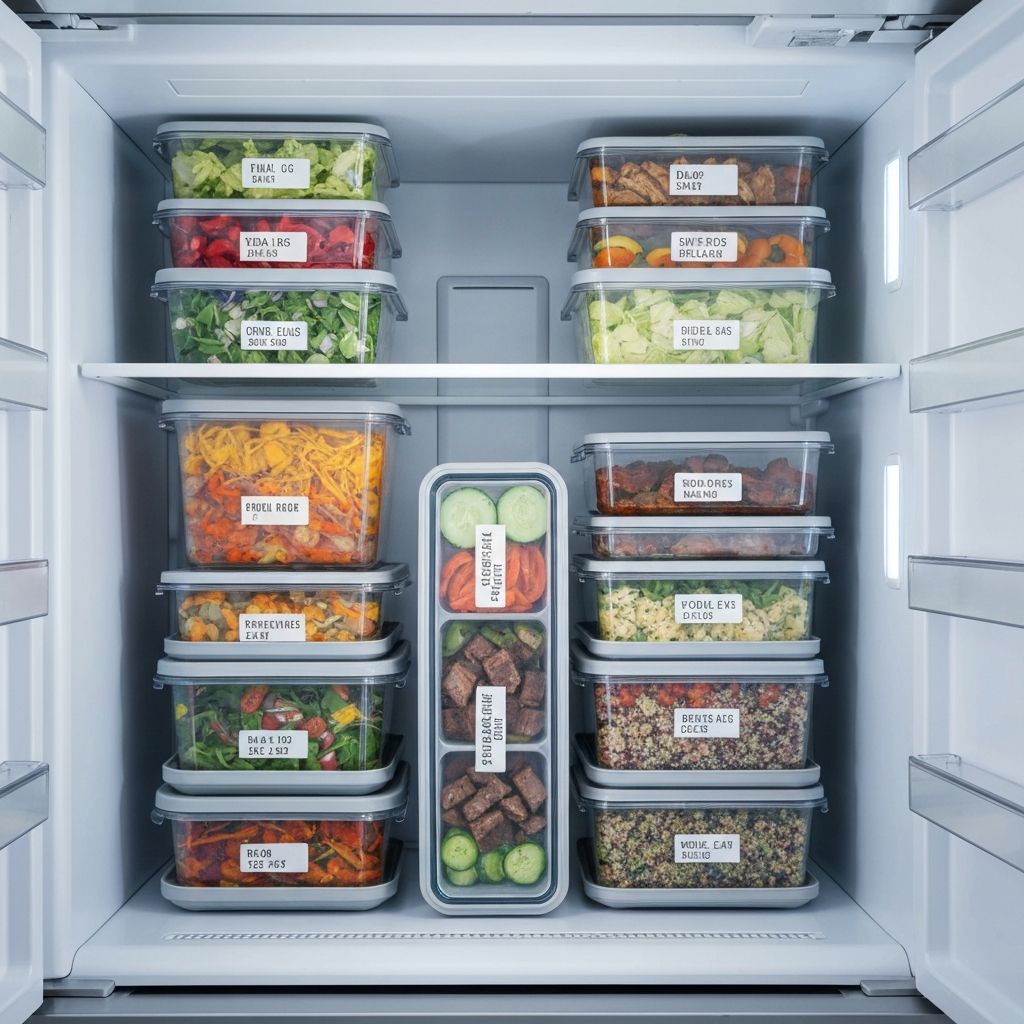
Using consistent containers helps with portion awareness and makes meals easy to store and transport.
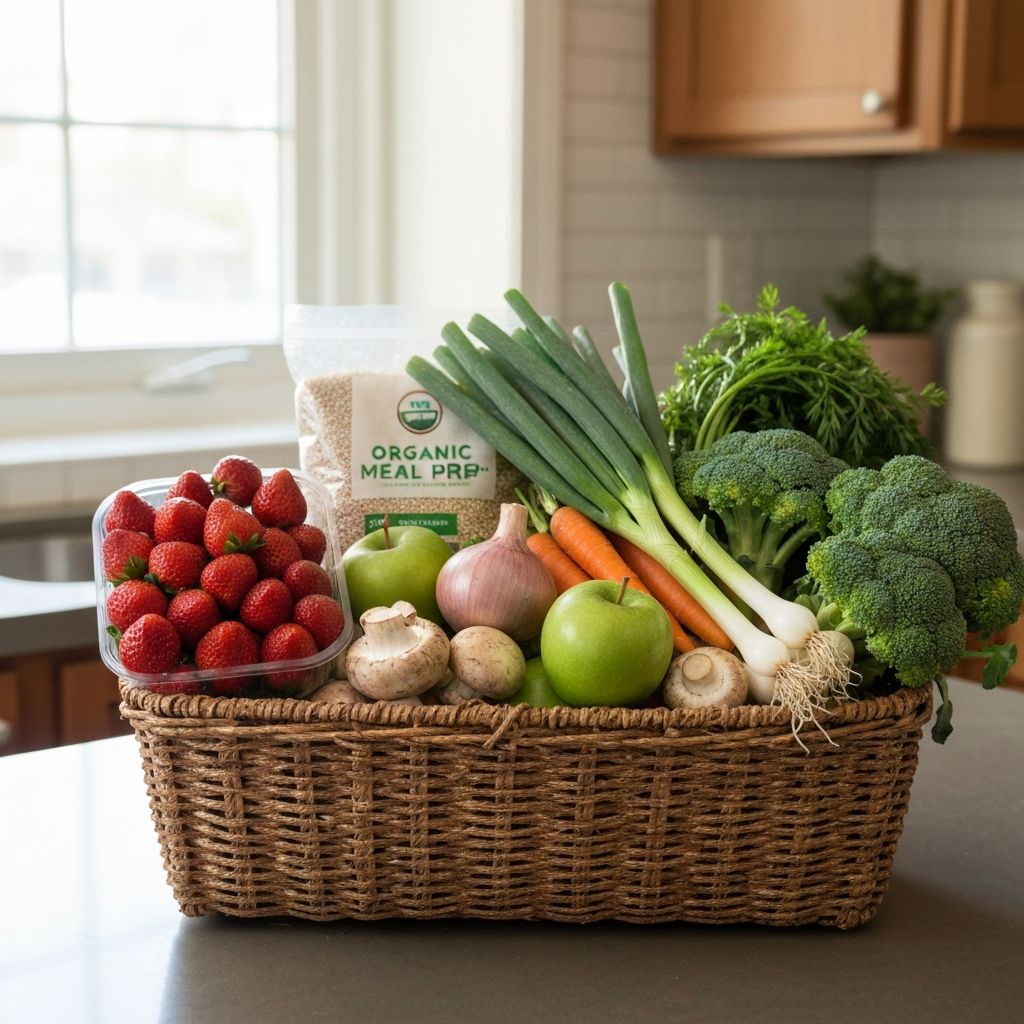
Weekly shopping trips with planned lists can reduce both time and food costs while ensuring ingredient availability.
People with demanding schedules who need efficient meal solutions
Those balancing studies with limited time and budget for meal preparation
Families looking to organize meals for multiple people efficiently
Individuals new to meal planning and looking for practical guidance
"The meal planning guidance helped me organize my weekly routine better. I now spend less time thinking about what to eat each day."
"Simple and practical information. The batch cooking approach fits my busy work schedule perfectly."
"I learned useful strategies for grocery shopping and meal prep that save me time every week."
Initial planning may take 30-60 minutes per week. As you develop routines, this often decreases to 15-20 minutes.
Flexible meal templates and portable options can adapt to changing schedules. Focus on meals that store well and can be eaten at various times.
Begin with just 2-3 meals per week. Choose simple recipes and gradually expand as you become comfortable with the process.
Having a basic plan doesn't eliminate flexibility. The goal is to reduce daily decision-making stress, not restrict all choices.
Portable snacks, researching food options in advance, and maintaining simple routines can help during travel periods.
Consultations focus on educational guidance about meal planning strategies tailored to your schedule and preferences.
Get guidance on organizing nutrition with limited time. Request an educational consultation today.
Request a Consultation